

The Microbiome: A Small World With an Important Role
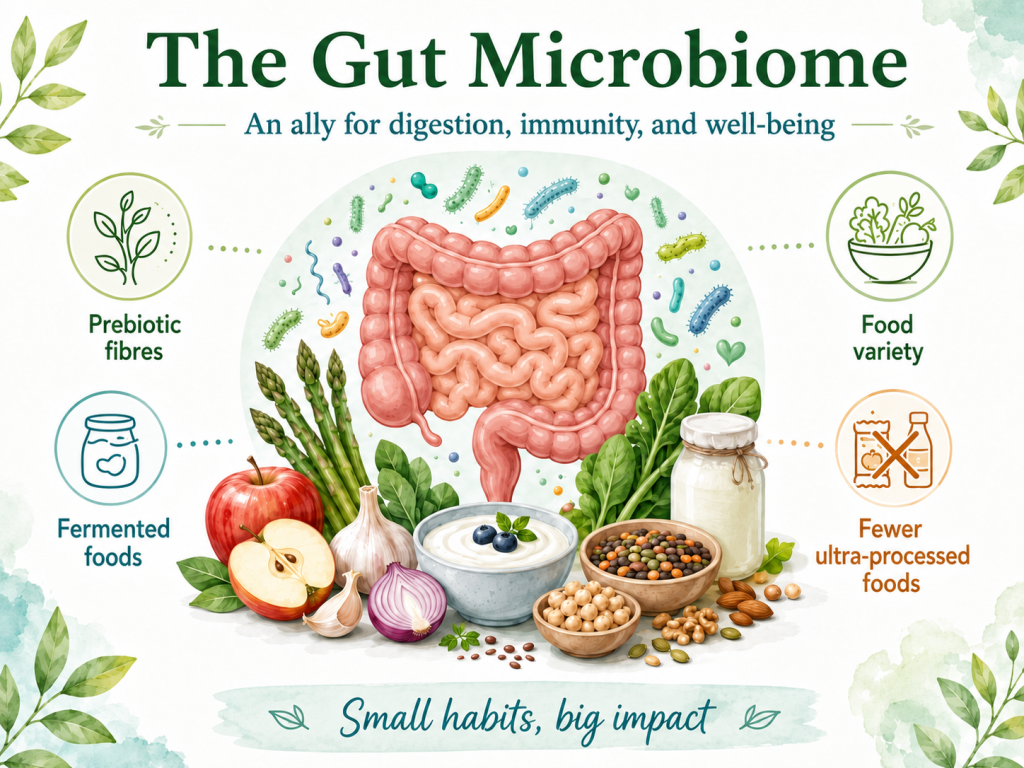 The microbiome is the collection of microorganisms that live in and on the body, especially in the digestive tract. It includes mainly bacteria, along with other microorganisms. Every person has a unique microbiome, shaped by diet, lifestyle, environment, stress, and certain medications.
Why Does the Microbiome Matter?
A balanced microbiome may contribute to several important functions:
- It helps break down certain fibers that the body cannot digest on its own.
- It plays a role in producing compounds that support digestive health.
- It contributes to maintaining the intestinal barrier.
- It communicates with the immune system and may help regulate inflammation.
- It is connected to the gut-brain axis, the ongoing communication between the digestive system and the brain.
Diversity is important as well. A microbiome with a wide variety of beneficial microorganisms is generally better able to adapt to everyday changes.
How to Nourish Your Microbiome
One of the most effective ways to care for your microbiome is to focus on a varied diet made up mostly of whole and minimally processed foods.
Try to include:
- Vegetables, fruits, legumes, and whole grains;
- Raw nuts, raw seeds, and other sources of healthy fats;
- Fermented foods such as yogurt, kefir, sauerkraut, kimchi, miso, and tempeh;
- Different colours and varieties of plant foods every week.
A simple habit is to change the fruits, vegetables, and leafy greens you buy regularly. Variety helps provide different types of fiber for your gut microbes.
Prebiotics, Probiotics, and Postbiotics: What Is the Difference?
Prebiotics are fibers that feed beneficial bacteria in the gut. They are found in foods such as garlic, onions, leeks, asparagus, apples, slightly green bananas, oats, and legumes.
Probiotics are live microorganisms found in certain fermented foods and supplements. Depending on the strain and the person’s needs, they may help support microbial diversity.
Postbiotics are compounds produced when beneficial bacteria ferment fiber in the digestive tract. These compounds can help create a more favourable environment in the gut.
Healthy Fats Matter Too
Healthy fats found in avocados, raw nuts, raw seeds, first cold pressed extra virgin olive oil, chia, flax, and hemp can also be part of an eating pattern that supports digestive wellness.
Omega-3 fats, in particular, may help promote a balanced inflammatory response and support the health of the intestinal lining.
What Can Disrupt the Microbiome?
Several factors may affect the balance of the gut microbiome, including:
- A diet low in fiber;
- Frequent intake of ultra-processed foods;
- Limited food variety;
- Excessive alcohol intake;
- Ongoing stress and insufficient sleep;
- Certain medications, especially antibiotics.
Prescription medications can be necessary and important. Never stop or change a treatment without speaking with a qualified healthcare professional.
The Bottom Line
Caring for your microbiome does not require a perfect diet. Start by eating more plant foods, varying your fiber sources, including fermented foods based on your tolerance, and gradually reducing highly processed foods.
Small, consistent changes may contribute to better digestion, greater microbial diversity, and everyday well-being.

To your good health,
Colombe N.D.