
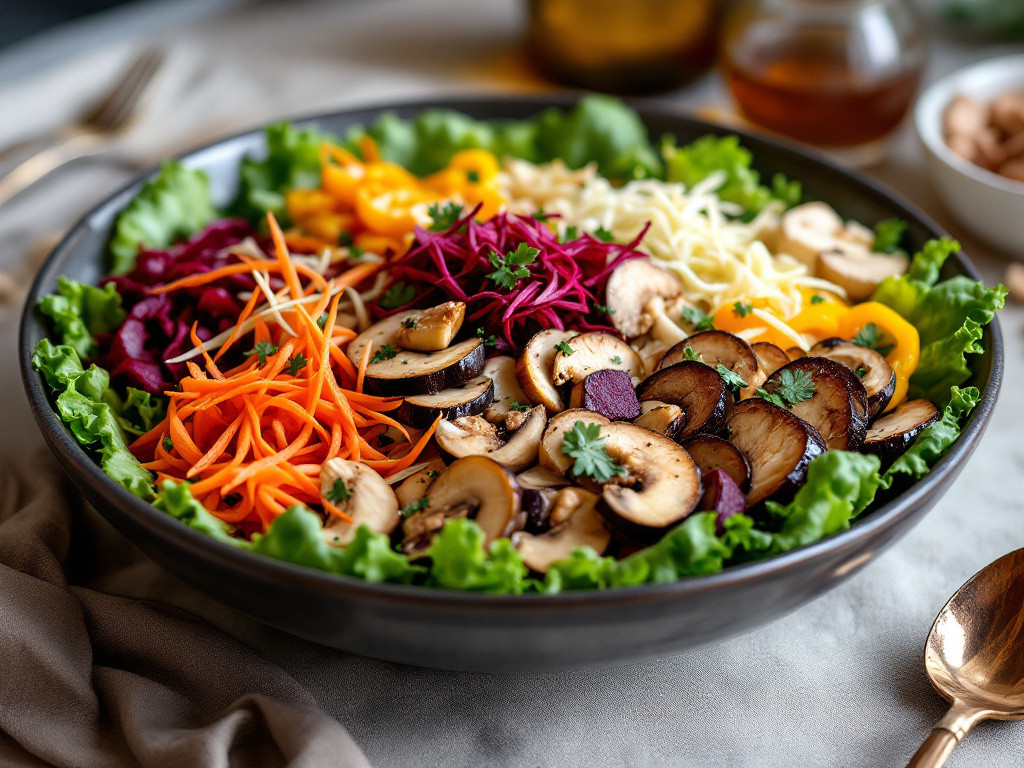
Plant-based diets and immune health
Whether you’re trying to lower your environmental footprint, eat more vegetables, or cut back on animal products for personal reasons, there are countless benefits to choosing a plant-based diet. Research consistently shows that plant-centered eating can reduce inflammation, lower cardiovascular and kidney disease risk, stabilize blood sugar, and improve gut health. But what about immunity? Can a plant-based lifestyle really make your immune system stronger? The answer is yes—provided it’s done thoughtfully.
How your immune system works
Every single day, your immune system protects you from bacteria, viruses, and other pathogens. This intricate network of cells and signaling molecules acts quietly in the background—until it falters and you notice the signs: fevers, sneezing, fatigue. These symptoms are often not the illness itself but the body’s strategies to fight infection.
A diet rich in plant foods gives your immune system the raw materials it needs to function optimally. To maximize these benefits, focus on three key strategies:
- Eat the rainbow
- Prioritize prebiotic foods
- Move your body regularly
Eat the rainbow
If you’re plant-based, you may already eat lots of produce, but diversity matters as much as quantity. Aim for at least half your plate to be colorful fruits and vegetables. Each color represents a different spectrum of phytonutrients—natural compounds that support health in unique ways.
Examples include:
- Red: tomatoes, strawberries, cherries, red peppers, beets, pomegranates
- Orange: carrots, mangos, pumpkins, sweet potatoes, apricots
- Yellow: lemons, pineapples, yellow peppers, squash
- Green: broccoli, kale, kiwi, apples, avocados, cucumbers, limes
- Blue/Purple: blueberries, eggplant, blackberries, purple cabbage, grapes, plums
- White: mushrooms, onions, cauliflower, parsnips
These foods are loaded with essential micronutrients—zinc, vitamin B6, vitamin C, vitamin E, magnesium, and more—all crucial for immune resilience.
Prioritize prebiotic foods
Around 70–80% of the immune system lives in the gut. The lining of your digestive tract absorbs nutrients but also forms a barrier against pathogens. If gut health is compromised, this barrier weakens, allowing harmful particles to leak into the bloodstream—a phenomenon often referred to as “leaky gut.”
Plant-based diets are particularly powerful here. They’re rich in dietary fibre that nourishes beneficial gut bacteria and strengthens immune defenses. Prebiotic fibres are especially valuable, but they’re found only in plant foods—not animal products. Excellent choices include Jerusalem artichokes, flaxseeds, garlic, onions, oats, barley, asparagus, seaweed, apples, bananas, and dandelion greens. Pairing prebiotics with probiotic foods (like fermented vegetables) further boosts gut balance.
Move your body
Regular movement is another immune ally. Moderate-to-vigorous physical activity—ideally 60 minutes or less per day—stimulates the immune and metabolic systems. However, balance is key: overtraining without rest can suppress immune function.
Exercise supports immunity by:
- Temporarily raising body temperature, making it harder for bacteria to thrive
- Reducing chronic inflammation, keeping immune responses controlled
- Enhancing sleep quality, which is vital since sleep deprivation impairs immunity
- Lowering stress hormones and improving mood—important because stress can weaken immune defenses
The takeaway
Strict veganism may not suit everyone, but simply increasing your intake of fruits, vegetables, and other plant foods offers meaningful health benefits. If you want to strengthen your immunity through diet, remember these three pillars: a rainbow of colorful produce, prebiotic-rich foods, and consistent, moderate physical activity. Your immune system will repay you with stronger, steadier protection.
To your good health!

Colombe